

Dental Bridge in Markham
A fixed solution to replace missing teeth and restore comfortable chewing.
Exploring Dental Bridges in Markham? A Practical, Long-Term Solution for Missing Teeth
If you’re considering a dental bridge in Markham, you may be trying to solve a very practical problem: a missing tooth that’s affecting your chewing, your confidence, or the way your other teeth line up. A bridge can be a stable, natural-looking way to fill that space without a removable appliance.
At Filgiano Dentistry, we keep the process calm and clear. We’ll explain your options in plain language, outline the trade-offs, and recommend what fits your oral health and long-term goals.
If you’d like to talk it through, you can book an appointment, schedule a consultation, or speak with our Markham dental team.
Caring for Your Bridge
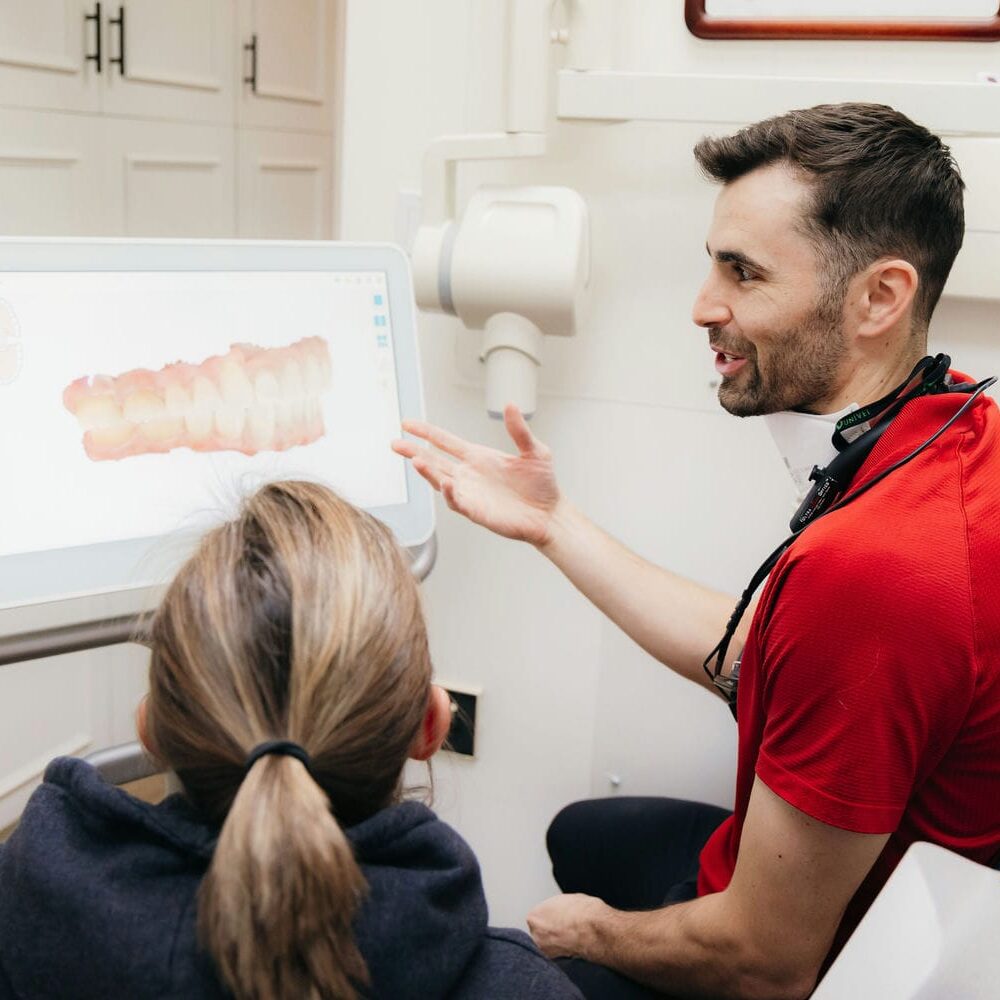
A bridge can function like a tooth, but it needs the right hygiene to stay healthy. The key is keeping the supporting teeth and gums clean, and learning how to clean under the replacement tooth where plaque can collect.
Here are the habits that usually matter most:
We’ll show you the technique in-office so you feel confident doing it at home.
Types of Bridges We May Recommend
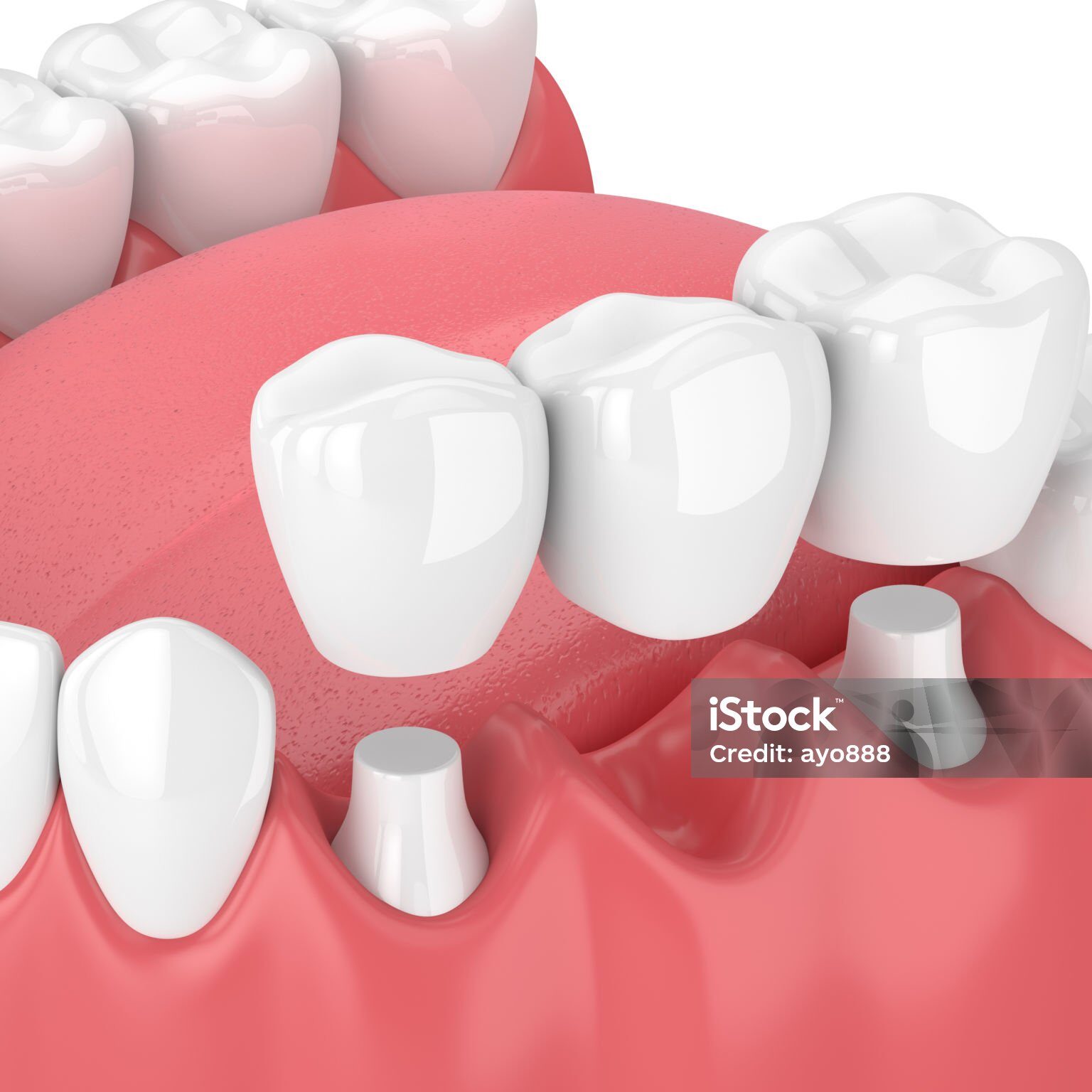
Not every bridge is built the same way. The type that’s appropriate depends on the location of the missing tooth, bite forces, and the health of the supporting teeth and gums.
Traditional Bridge
This is the most common style. The bridge is supported by teeth on either side of the gap. It can be a strong, predictable option when the neighbouring teeth are healthy enough to support it, or when they already need restorations.
Cantilever Bridge
A cantilever bridge is supported on only one side of the gap. It’s not suitable for every location because bite forces matter. If it’s an option in your case, we’ll explain why, and how we reduce the risk of stress on the supporting tooth.
Maryland Bridge
This type is sometimes used for certain front-tooth situations where forces are lighter. It may be considered when we want to preserve more natural tooth structure. It is not appropriate for every bite or every gap, so we assess carefully.
Implant-Supported Bridge
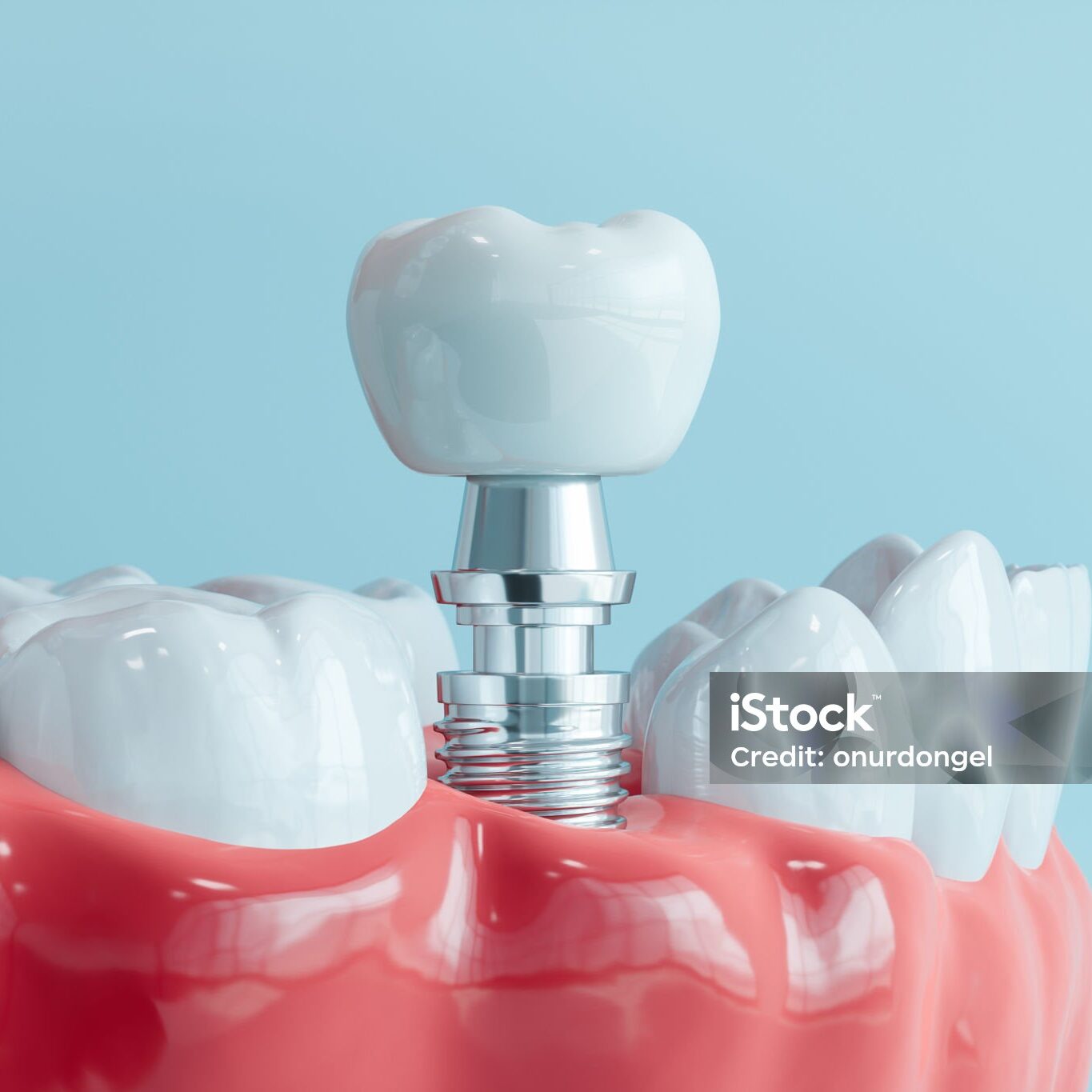
When multiple teeth are missing, or when we want support that does not depend on neighbouring teeth, a bridge can sometimes be anchored to implants. Planning is different for this option, and it may involve additional healing time. We’ll explain the steps clearly if it’s relevant to your situation.
Why Replace a Missing Tooth
A missing tooth can be more than a cosmetic concern. Over time, the teeth around the gap can drift, your bite can change, and chewing on one side can start to feel like “the new normal.” Some people also notice food getting stuck more easily or a change in how they speak.
Replacing a missing tooth can help you chew more comfortably and reduce strain on the surrounding teeth. It can also restore the look of your smile in a way that feels natural.
As a Markham dental bridge clinic, we focus on practical, conservative recommendations. If a bridge makes sense, we’ll explain why. If another option is a better fit, we’ll be upfront about that too.
Alternatives to a Dental Bridge
A dental bridge is a common way to replace a missing tooth, but it isn’t the only option. The best choice depends on where the space is, the condition of the surrounding teeth and gums, and how you want the solution to function over time.
Some patients prefer an option that doesn’t rely on neighbouring teeth for support. Others are looking for a simpler approach with fewer steps. During your consultation, we’ll talk through what makes the most sense for your situation:
If you’re comparing a bridge to dental implants, we’ll walk you through the differences in planning, healing time, cost considerations, and maintenance so you can decide with confidence.
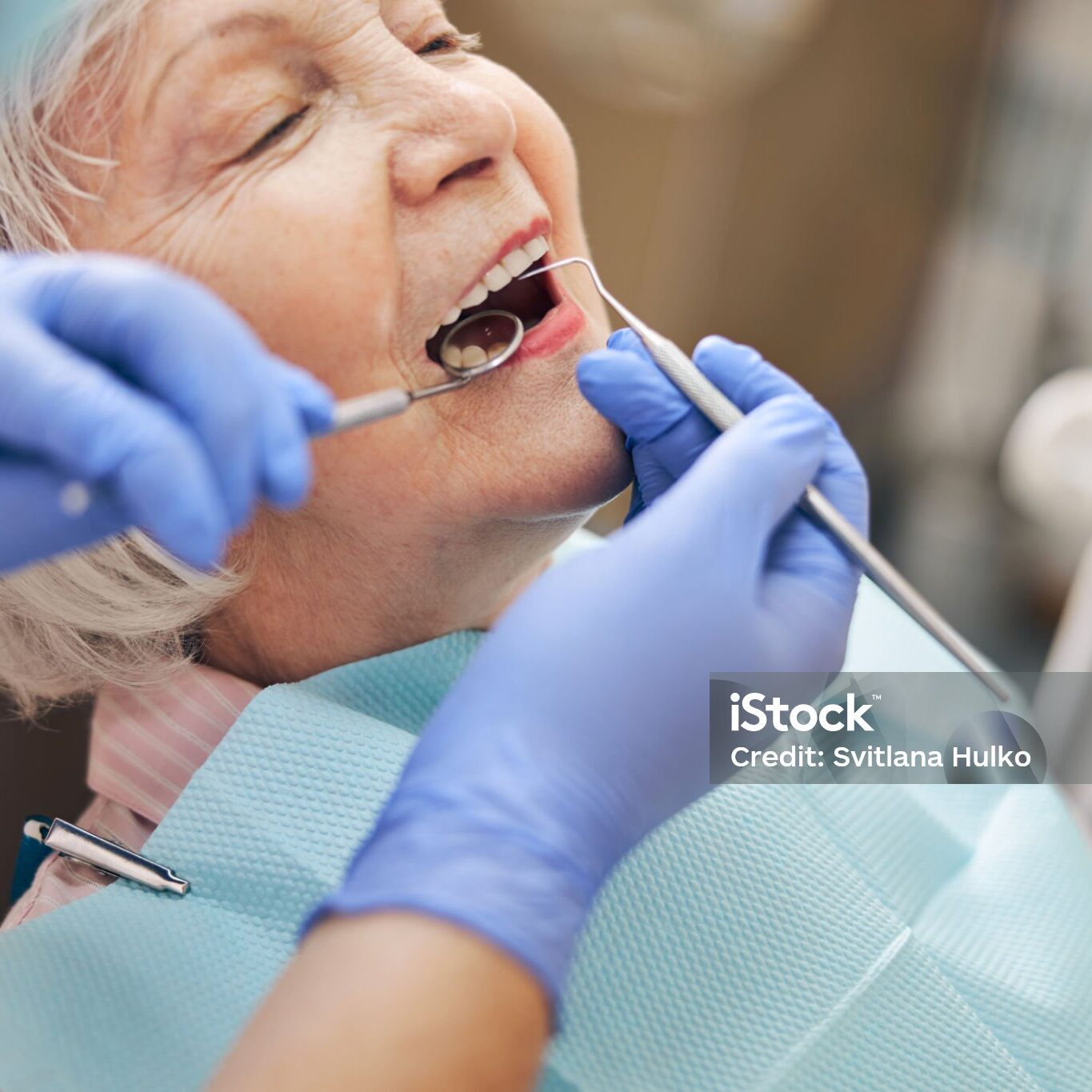
Comfort and Recovery
Many people avoid tooth replacement because they assume it will be painful or disruptive. Most bridge treatments are manageable, and comfort is something we plan for from the start.
If freezing is needed, we’ll discuss it plainly. After your visits, you may notice short-term sensitivity, especially if supporting teeth were prepared. Most patients adjust quickly as the bite settles and the mouth gets used to the new shape.
We’ll also guide you on eating while you adjust. In the early days, it may be sensible to avoid very hard or sticky foods on the new bridge until you feel confident. If anything feels sharp, too high, or uncomfortable, you should call us. We’d rather fine-tune it early than have you “push through” discomfort.
Frequently Asked Questions
How long does it take to get a dental bridge?
Many bridges require more than one visit because a custom restoration is made to fit your mouth. The exact timeline depends on your plan and whether other care is needed first.
Will my bridge look natural?
Is a bridge better than an implant?
Can I eat normally with a bridge?
Does a bridge require special cleaning?
What if I’m nervous about dental treatment?
How do I know if I’m a candidate?

Discover a Better Dental Experience
Enjoy stress-free visits and genuine care from trusted Markham dentists who put your comfort first. See why families have chosen Filgiano Dentistry for generations.