

Dental Bonding in Markham
A conservative way to repair chips, edges, and small gaps with natural results.
Considering Dental Bonding in Markham? Start With a Calm, Clear Consultation
If you’re considering dental bonding in Markham, you may be hoping for a simple, natural-looking way to repair a chipped tooth, smooth a rough edge, or improve a small gap. At Filgiano Dentistry, we take a calm, patient-first approach. We explain your options clearly, move at your pace, and focus on results that look like they belong.
If you’d like straightforward guidance, you can book an appointment, schedule a consultation, or speak with our Markham dental team.
What Dental Bonding Can Improve
Dental bonding is usually best for small-to-moderate concerns, especially in visible areas. Here are common reasons patients ask about it.
Chipped Edges on Front Teeth
A small chip can draw your eye every time you look in the mirror. Bonding can rebuild the missing edge and smooth the area so the tooth looks complete again. We shape the material to match your natural contours, then polish it so it blends with neighbouring teeth.
Worn or Uneven Tooth Shape
Teeth can look uneven from natural wear, clenching, or grinding. In some cases, bonding can restore a smoother edge line and a more balanced look. If we notice signs of grinding, we’ll also talk about how to protect the result.
Small Gaps or “Black Triangles”
Some gaps can be improved with bonding, depending on spacing, tooth shape, and gum health. We’ll be honest about what is realistic. If your spacing is larger or related to bite alignment, we may suggest a different plan.
Stains or Areas That Do Not Blend
Certain stains or older visible dental work can stand out when you smile. Bonding can sometimes mask or blend a problem area. During your consultation, we’ll look at shade matching carefully so the result stays natural in different lighting.
How Dental Bonding Works
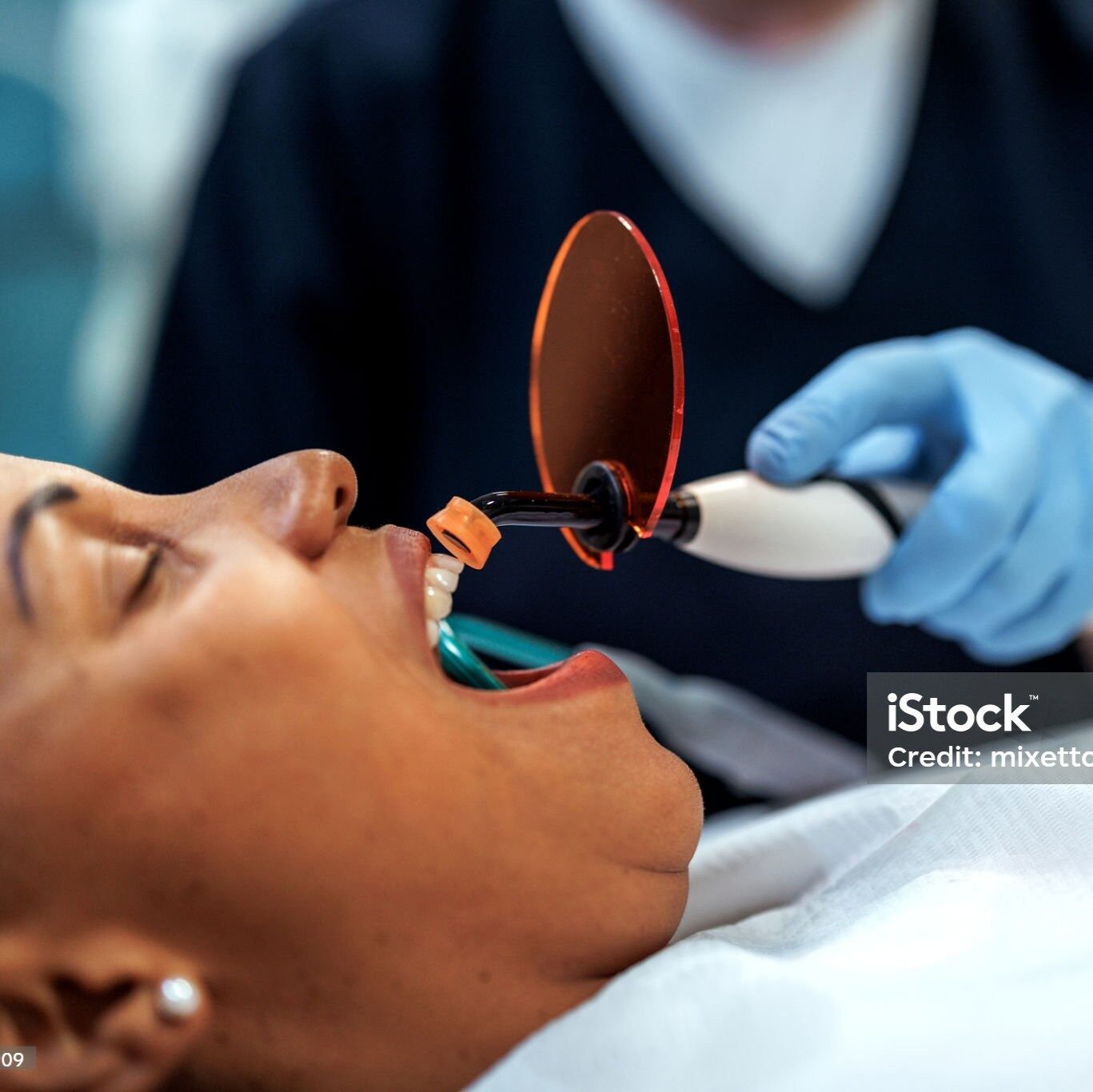
Dental bonding uses a tooth-coloured composite resin. Think of it as a sculptable material that can be shaped to improve a tooth’s appearance, then hardened and polished for a smooth finish.
The success of bonding is all about planning and detail. Shade selection, surface preparation, shaping, and bite adjustment all matter. We’ll also check how your teeth come together when you bite, because bonding should feel comfortable and function well, not just look good.
If you have sensitivity, a history of dental anxiety, or concerns about freezing, tell us. We can talk through what you may or may not need based on the tooth and the type of bonding being done.
What to Expect at Your Appointment
Most dental bonding appointments follow a simple rhythm: assess, plan, place, and polish.
Step 1
Assess The Tooth And Surrounding Gum Health
We start by confirming the tooth is healthy enough for bonding. If we see decay, a crack, or gum inflammation near the area, we may recommend treating that first so your bonding result stays stable and comfortable.
Step 2
Confirm The Goal And Plan The Look
Next, we plan the final result together. We’ll choose a shade that blends naturally, review the shape you want, and confirm exactly what you’re trying to improve before we begin.
Step 3
Prepare The Surface For Strong Adhesion
To help the bonding material attach properly, we prep the tooth surface. This step helps the resin bond securely and reduces the risk of premature chipping or lifting.
Step 4
Place And Sculpt The Bonding Material
We apply the resin in a controlled way and build it up gradually. Then we shape it carefully so the tooth looks natural and feels balanced next to the surrounding teeth.
Step 5
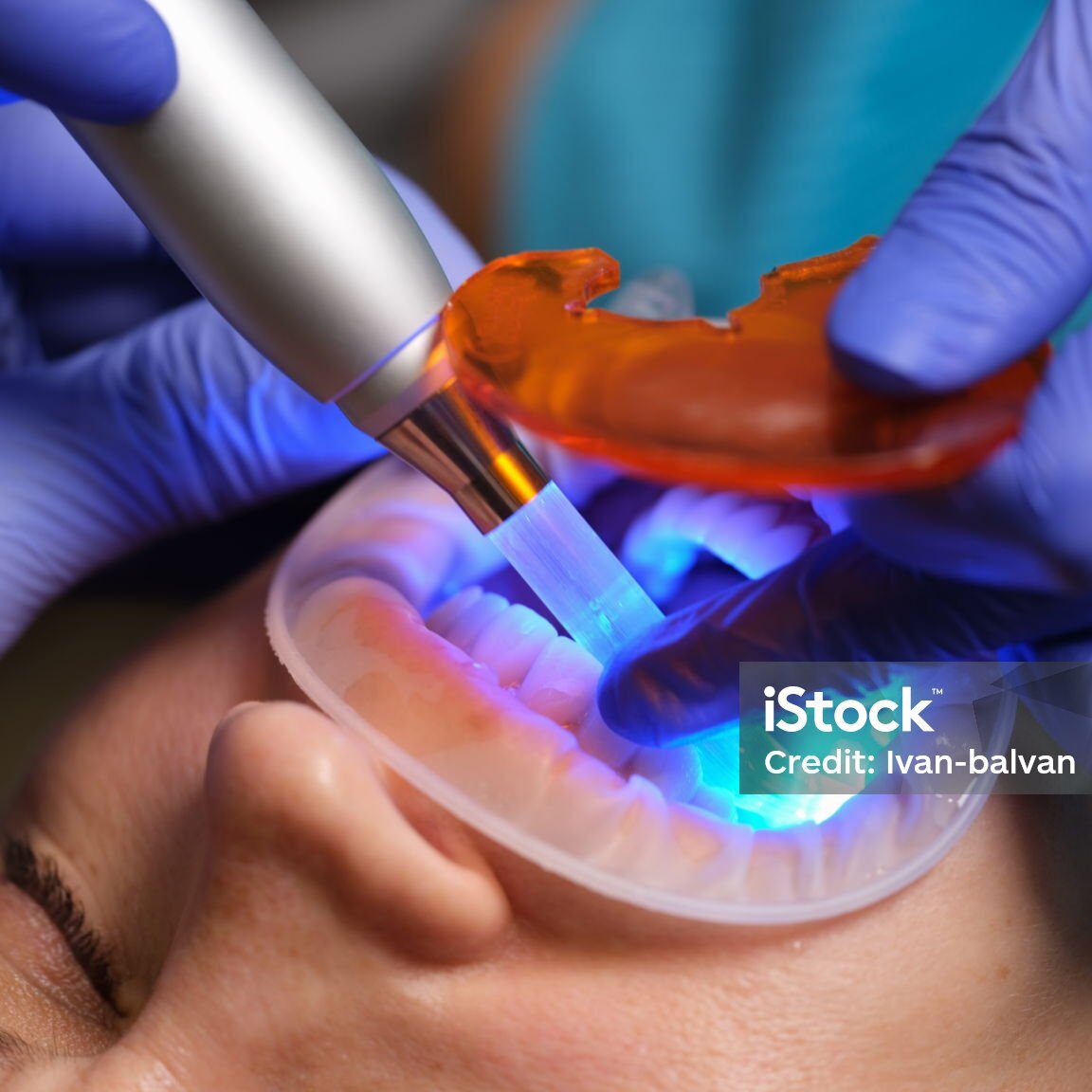
Harden The Resin With A Curing Light
Once the shape is right, we harden the material using a curing light. This locks the bonding in place and prepares it for final finishing.
Step 6
Polish And Check Your Bite
We polish the tooth so it feels smooth and looks seamless. Then we check your bite and make small adjustments so it feels natural when you chew and speak.
Step 7
Review Aftercare And What’s Normal
Before you leave, we’ll go over aftercare, what you may feel over the next day or two, and what to do if anything feels “off.” The goal is for you to leave knowing what’s normal and what’s worth a quick call.
When Bonding Is Not the Best Choice
Bonding can be an excellent solution, but it is not the right fit for every tooth.
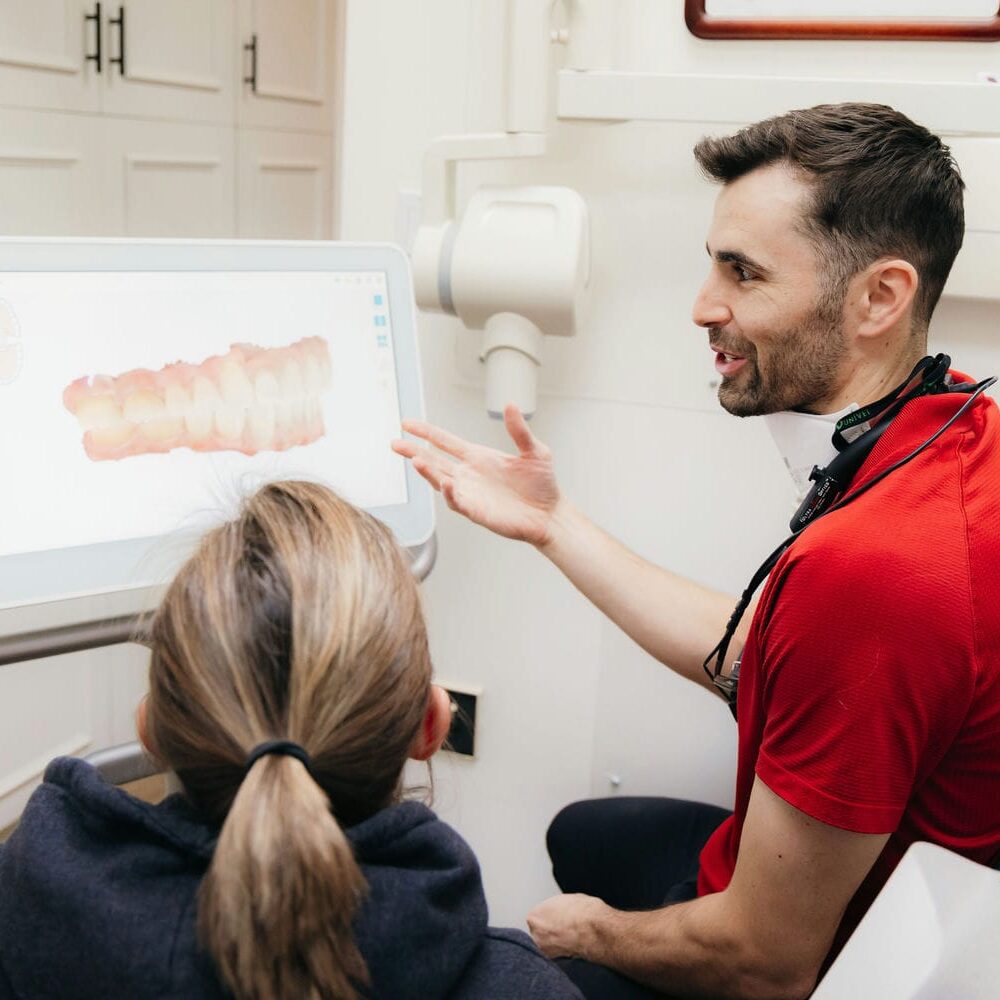
If a tooth is heavily filled, significantly cracked, or under high bite pressure, a more protective option may be recommended. In those cases, bonding may be more likely to chip or wear down, and you may get better long-term stability from a restoration designed to protect the tooth.
If we think you need a stronger restoration, we’ll explain why and may discuss dental crowns as an alternative. The goal is not to “upsell” treatment. It’s to choose an option that matches what your tooth actually needs.
For patients who are exploring broader smile improvements beyond one or two teeth, we can also talk through options within cosmetic dentistry so you understand the full picture.
How Long It Lasts and How to Care for Dental Bonding
How long bonding lasts depends on where it is, how you use your teeth, and your daily habits. Bonding on a front edge that takes a lot of pressure may wear faster than bonding on a less stressed surface. Clenching, biting nails, chewing ice, and using teeth as tools can shorten its lifespan.
Good maintenance is straightforward. Brush and floss daily, keep regular checkups, and let us know if you feel a rough spot or notice a change in how your teeth meet when you bite. If you drink coffee, tea, or red wine, bonding can also pick up stains over time. We can often polish it during routine visits to help it keep a smooth finish.
If you grind at night, protecting your teeth can also protect your bonding. If we see wear patterns, we’ll discuss practical next steps.
Frequently Asked Questions
Is dental bonding painful?
Bonding is often comfortable, especially for small cosmetic changes. Some situations may benefit from freezing, and some patients notice mild sensitivity afterward. We’ll explain what applies to you and keep comfort front and centre.
How long does a bonding appointment take?
Will bonding look natural?
Can bonding fix a gap between my teeth?
Does bonding stain over time?
What if the bonding chips?
How do I know if bonding is right for me?

Discover a Better Dental Experience
Enjoy stress-free visits and genuine care from trusted Markham dentists who put your comfort first. See why families have chosen Filgiano Dentistry for generations.