

Wisdom Tooth Removal in Markham
Carefully planned wisdom tooth removal with clear recovery guidance.
A Patient-First Approach to Wisdom Tooth Removal in Markham
If you’re researching wisdom tooth removal in Markham, you may be dealing with jaw soreness, gum swelling at the back of your mouth, or a dentist’s recommendation to remove a wisdom tooth before it causes bigger problems. It’s also normal to feel nervous about pain, healing, or time off work or school. At Filgiano Dentistry, we take a calm, patient-first approach. We explain what we see, walk you through realistic options, and move at a pace that supports your comfort from assessment to aftercare.
To get started, you can book an appointment, schedule a consultation, or speak with our Markham dental team.
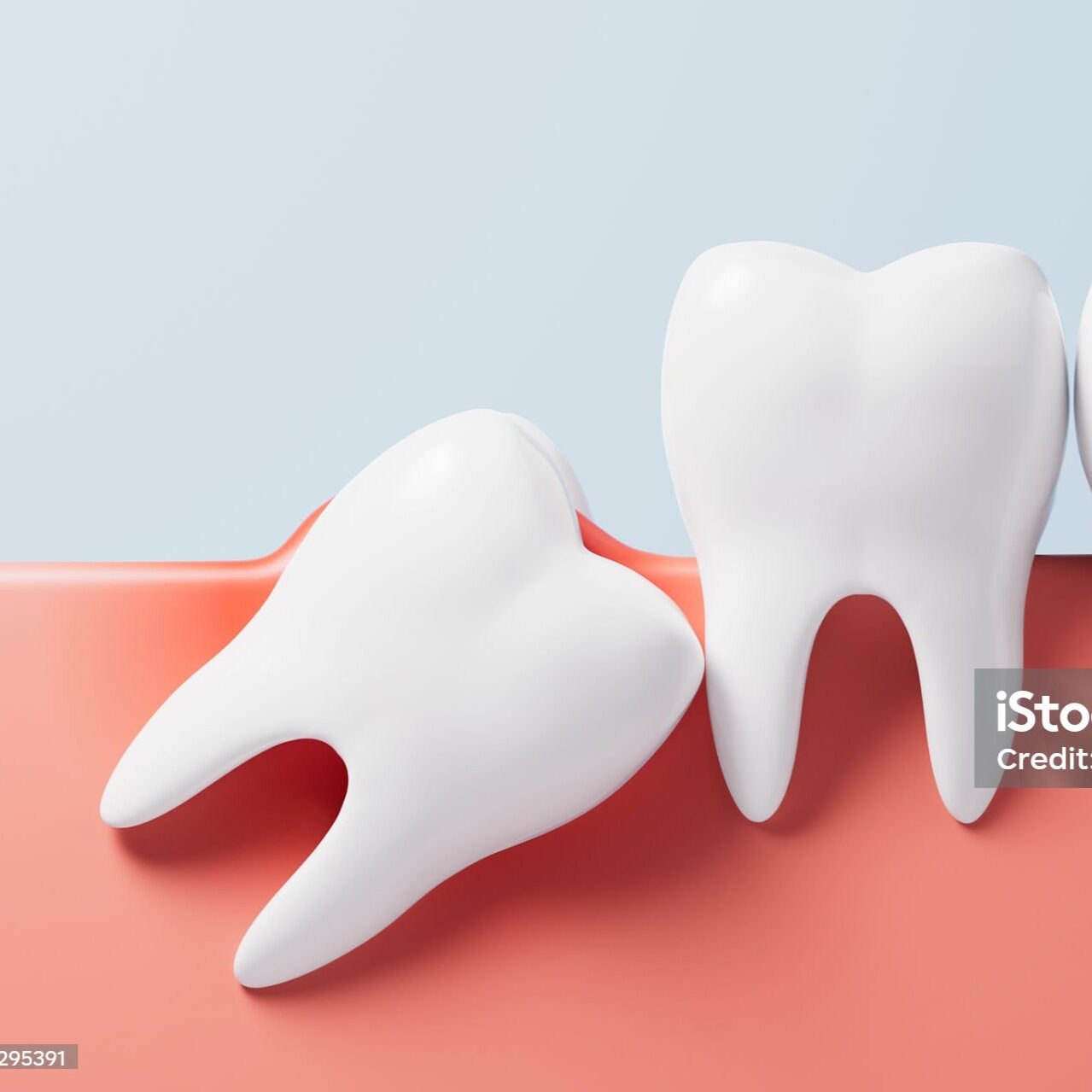

When Wisdom Teeth Cause Problems
Wisdom teeth can be troublemakers mainly because of space and access. In many mouths, there simply isn’t enough room for them to come in straight and fully. When a wisdom tooth is angled, partly covered by gum tissue, or trapped under the gums, it can be harder to keep clean and more likely to cause irritation.
Common issues we see include:
Some people feel fine until they don’t. Others have on-and-off symptoms for months. Either way, an exam and imaging help us understand what’s happening and what a safe plan looks like.
Signs You May Need an Assessment
Not every sore jaw is a wisdom tooth problem, but certain symptoms are worth checking sooner rather than later.
Back-of-Mouth Pain That Keeps Returning
Discomfort that comes and goes around the last molars can be a sign of gum irritation, infection, or a tooth that is pushing into an awkward position.
Swollen or Tender Gum Tissue Behind the Molars
When a wisdom tooth is partly covered by gum tissue, food and bacteria can get trapped. That can lead to swelling, bleeding, and a bad taste.
Pain When Chewing or Opening Wide
This can happen when gum tissue is inflamed or when the tooth’s position is putting pressure on surrounding structures.
A Bad Taste, Odour, or Drainage Sensation
These can be signs of infection. You don’t need to “wait it out.” It’s better to get clear guidance.
Swelling in the Jaw or Face
If swelling is increasing, that’s a reason to call promptly. If you ever have trouble breathing, severe swelling, or feel medically unwell, seek urgent medical care.
Crowding or Pressure on Nearby Teeth
Pressure from a wisdom tooth can affect nearby molars, causing soreness, shifting, or making the area harder to keep clean.
Simple vs. Impacted Wisdom Tooth Extraction
Wisdom tooth removal can range from straightforward to more complex. The difference usually comes down to where the tooth sits and how much of it is accessible. A more straightforward removal may be possible when the wisdom tooth is fully erupted and easy to reach.
A more complex removal may be needed when a wisdom tooth is:
In some cases, the safest plan may involve referral to a specialist. If we believe that’s the best route, we’ll explain why and guide you on next steps.
What to Expect Step by Step
A clear plan often makes this whole experience less stressful. While every case is different, most wisdom tooth extraction appointments follow a similar sequence.
Step 1
Consultation and Imaging
We start with an exam and the imaging needed to understand the tooth’s position, root shape, and relationship to surrounding structures. This helps us plan a safe approach and set realistic expectations for healing.
Step 2
Reviewing Options and Timing
Some wisdom teeth can be monitored. Others are better removed before they create repeated infections or damage to neighbouring teeth. We’ll explain what we recommend and why, including what could happen if you delay.
Step 3
Freezing and Comfort Planning
Most wisdom tooth removals are done with local freezing. You should not feel sharp pain during the procedure, though you may feel pressure and movement. If you’re anxious, tell us. We’ll slow down, explain each step, and check in often.
Step 4
Gaining Access to the Tooth
If the tooth is impacted or partially covered by gum tissue, we may need to gently access the area to remove it safely. We’ll explain what we’re doing before we do it.
Step 5
Removing the Tooth
Sometimes a wisdom tooth can be removed in one piece. In other cases, it may be removed in sections to reduce stress on the surrounding bone and tissues. The goal is controlled, careful removal, not force.
Step 6
Cleaning the Area and Planning Closure
Once the tooth is removed, we clean the area and decide whether stitches are helpful. If stitches are placed, we’ll tell you what kind they are and what to expect during healing.

Recovery and Aftercare
Most wisdom tooth recovery is manageable, but the first 24–48 hours are important. The main goals are to protect the clot, reduce swelling, and keep the area clean without disturbing healing.
Here are common aftercare steps we review with patients:
Some tenderness and swelling can be normal. What matters is the overall trend. We want to see gradual improvement over the days following your procedure.
Frequently Asked Questions
Do all wisdom teeth need to be removed?
No. Some wisdom teeth erupt normally, can be cleaned properly, and never cause problems. Removal is usually discussed when there’s pain, infection risk, decay, damage risk to neighbouring teeth, or repeated inflammation.
Is wisdom tooth removal painful?
How long does wisdom tooth recovery take?
What is dry socket?
Can I go back to work or school the next day?
What should make me call the office after extraction?
How do I know if I actually need wisdom tooth removal?

Discover a Better Dental Experience
Enjoy stress-free visits and genuine care from trusted Markham dentists who put your comfort first. See why families have chosen Filgiano Dentistry for generations.