

Dental Implants in Markham
A stable, natural-looking option for replacing missing teeth long term.
Exploring Dental Implants in Markham? Let’s Talk Through Your Options
If you’re researching dental implants in Markham, you may be trying to replace a missing tooth without relying on a removable denture, or you may want a solution that feels more secure when you eat and speak. At Filgiano Dentistry, we take a patient-first approach: we listen, explain your options clearly, and help you make a decision that fits your comfort, timeline, and long-term oral health.
When you’re ready, you can book an appointment, schedule a consultation, or speak with our Markham dental team.
How an Implant Replaces a Tooth
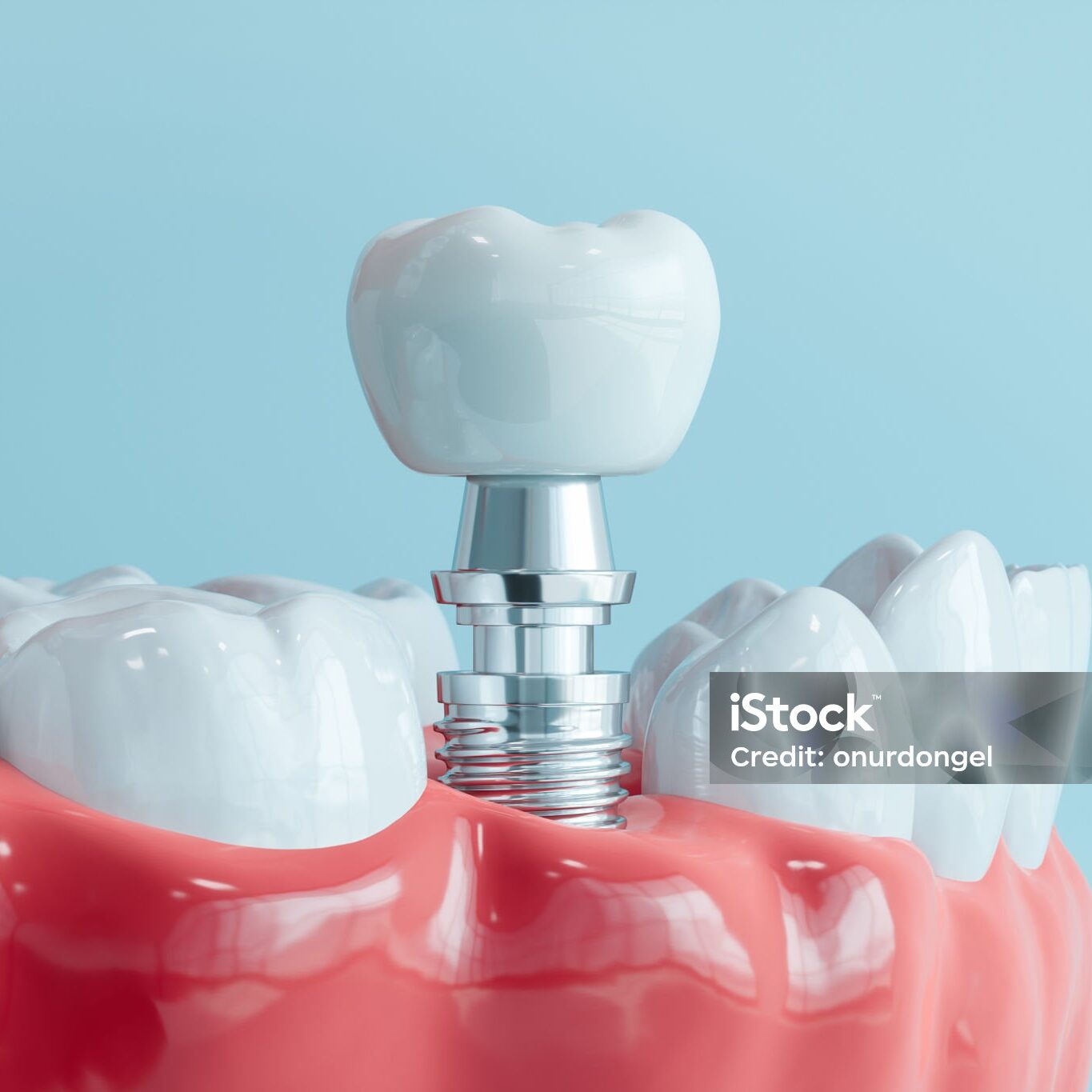
An implant is often described as an artificial tooth root. The implant itself is placed in the bone, and once it’s healed and stable, a connector piece and a custom tooth are attached. The end result is meant to look natural and function comfortably.
Most implant restorations include three basic parts:
Planning matters here. A good implant result is about more than “filling the gap.” We consider your bite, gum health, the shape of your smile, and how you use your teeth day to day.
Who Is a Good Candidate for Dental Implants?
A consultation is the safest way to know if implants are right for you. In general, we look for healthy gums, enough bone support, and a bite that can be restored comfortably.
You may be a good candidate if you:
Some factors can increase complexity, such as smoking, uncontrolled health conditions, or heavy clenching and grinding. That doesn’t automatically rule implants out, but it does affect planning. We’ll explain what we see and what it means for your options.
The Step-by-Step Process
Implant treatment is usually done in stages so everything has time to heal properly. Your exact steps depend on whether the tooth is already missing, whether an extraction is needed, and what the bone and gums look like during the exam.
Step 1
Consultation, Imaging, and Planning
We begin with an exam and the images needed to assess bone levels, gum health, and bite. We’ll also talk through your goals and timeline. If an implant is a good fit, we’ll outline the sequence, expected appointments, and what you can expect between stages.
Step 2
Tooth Removal if Required
If the tooth is still present and cannot be saved, the first step may be a careful extraction. In some cases, we may recommend healing time before implant placement. In other situations, placement may be discussed sooner. The plan is always based on safety and predictability.
Step 3
Implant Placement
The implant placement visit is where the post is positioned in the jawbone. Most patients do well with local freezing. You may feel pressure during the procedure, but you should not feel sharp pain. If you’re anxious, tell us. We’ll slow down, explain each step, and keep the experience steady.
Step 4
Healing and Integration
After placement, the area needs time to heal. This is when the implant becomes stable within the bone. Healing time varies by patient and by site, and it can be influenced by factors like bone density and whether grafting was needed.
Step 4
Building the Final Tooth or Teeth
Once the implant is ready, we plan the final restoration. For a single missing tooth, that’s commonly a custom dental crown. For multiple missing teeth, the restoration may involve more than one tooth being replaced as a unit. We also check how your bite meets so the final result feels comfortable.
Step 5
Placement, Bite Check, and Follow-Up
When your new tooth is placed, we check the fit, the gumline, and the bite. Small bite adjustments can make a big difference in comfort, especially if you’re sensitive to high spots. We’ll also review cleaning techniques so you feel confident caring for the implant at home.
Comfort, Healing, and Timing
It’s normal to have questions about pain, swelling, and downtime. Many patients are surprised by how manageable implant appointments can be when they know what to expect.
After implant placement, you may have some soreness for a short time. We’ll give you clear aftercare guidance and help you understand what is typical versus what should be checked. Most people return to normal routines quickly, but the overall treatment timeline is longer because healing between steps is important.
If you’re working around travel, work deadlines, or family events, tell us at the consultation. We’ll help you plan responsibly and avoid rushed decisions.
Caring for Your Implant Long Term
Implants require the same daily care you’d give your natural teeth. The implant itself can’t get a cavity, but the gums around it can still become inflamed if plaque is left to build up. Keeping the area clean is one of the most important parts of long-term success.
We’ll show you how to clean around the implant and the restoration using the tools that fit your situation. Regular checkups and cleanings matter too, because they help us monitor the bite, the gumline, and the condition of the surrounding teeth.
If you clench or grind, mention it. Protecting your bite can help protect your implant restoration over time.

Dental Implants vs. Other Replacement Options
Implants are not the only way to replace missing teeth. In some cases, another solution may be simpler, faster, or better suited to your current oral health.
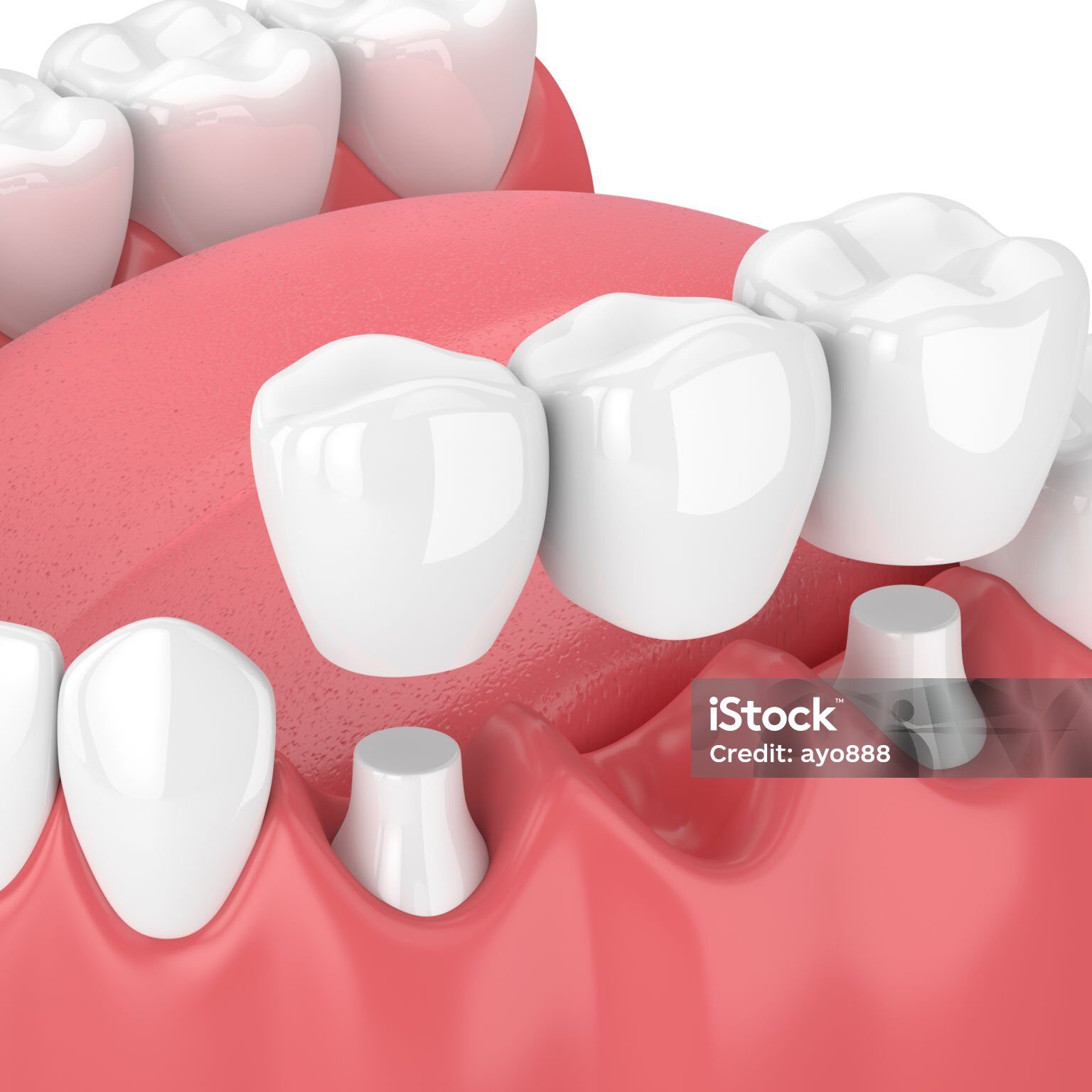
A dental bridge may be recommended when the neighbouring teeth can support a fixed replacement, or when an implant is not the right fit for your timeline or anatomy. Removable options may also be considered in certain situations.
During your consultation, we’ll compare your realistic options side by side. We’ll explain what each choice means for comfort, appearance, maintenance, and long-term planning.
Frequently Asked Questions
Are dental implants safe?
Implants are a common tooth replacement option, but suitability depends on your bone, gums, and overall oral health. We’ll assess your situation and explain any risks that apply to you.
Does getting an implant hurt?
How long does the implant process take?
Will my implant look natural?
Can implants replace more than one tooth?
What if I’m nervous about dental treatment?
How do I know if I’m a candidate?

Discover a Better Dental Experience
Enjoy stress-free visits and genuine care from trusted Markham dentists who put your comfort first. See why families have chosen Filgiano Dentistry for generations.