

Dental Crowns in Markham
Protect and restore damaged teeth with crowns designed for strength and comfort.
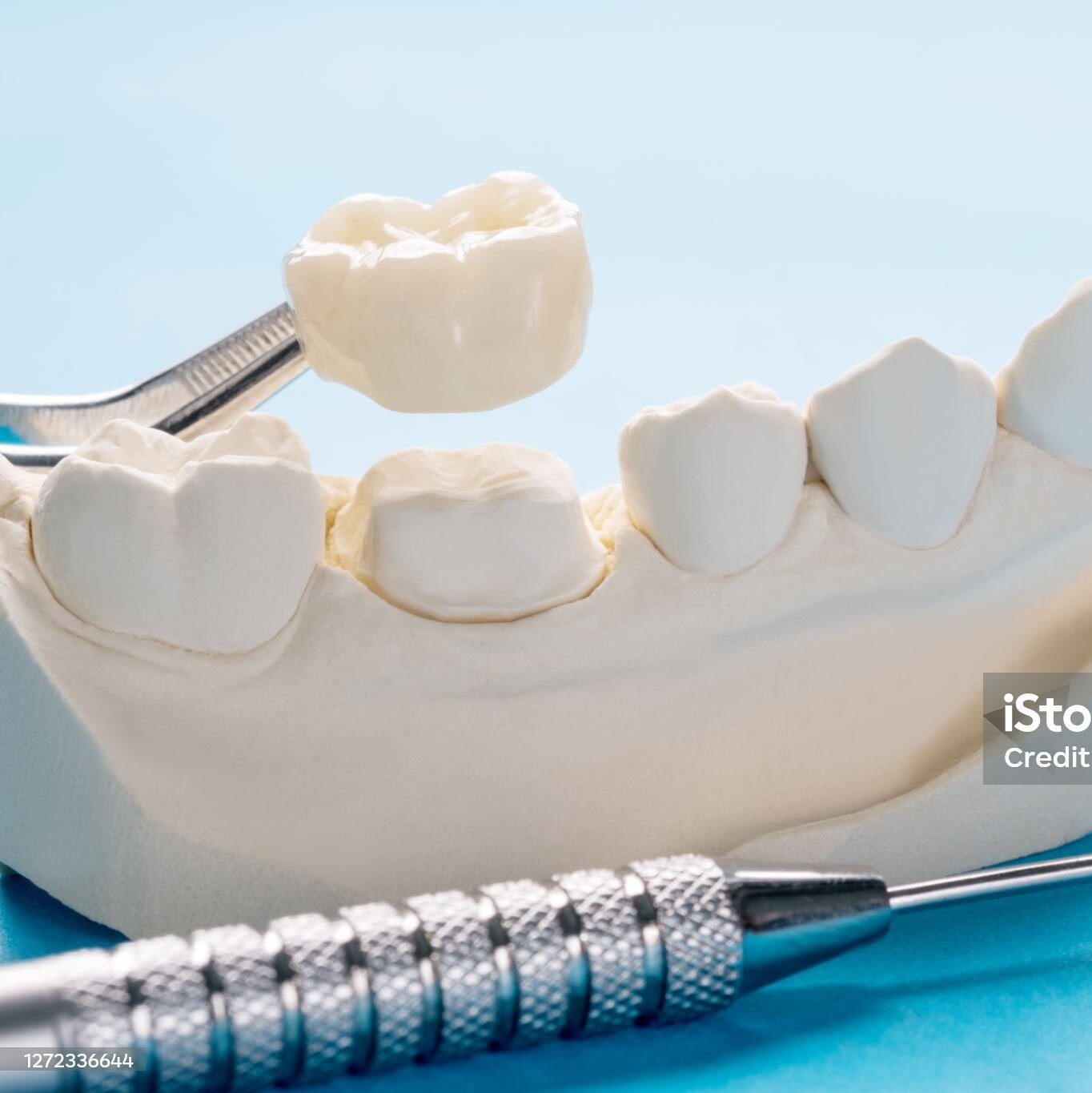

When a Dental Crown Is Recommended
A crown is usually suggested when the goal is to protect a tooth that’s at higher risk of breaking or continuing to cause problems. That can include a tooth with a large filling, a crack, extensive wear, or a tooth that’s been treated and now needs added support.
Some people worry that a crown is “too much.” That’s a fair concern. In your consultation, we’ll explain why a crown may help, and whether a more conservative option could reasonably work instead. Our job is to match the treatment to the tooth, not the other way around.
Choosing the Right Crown Material
Crowns can be made from different materials, and the best choice depends on where the tooth is in your mouth, how much bite pressure it takes, and what you want the final result to look like.
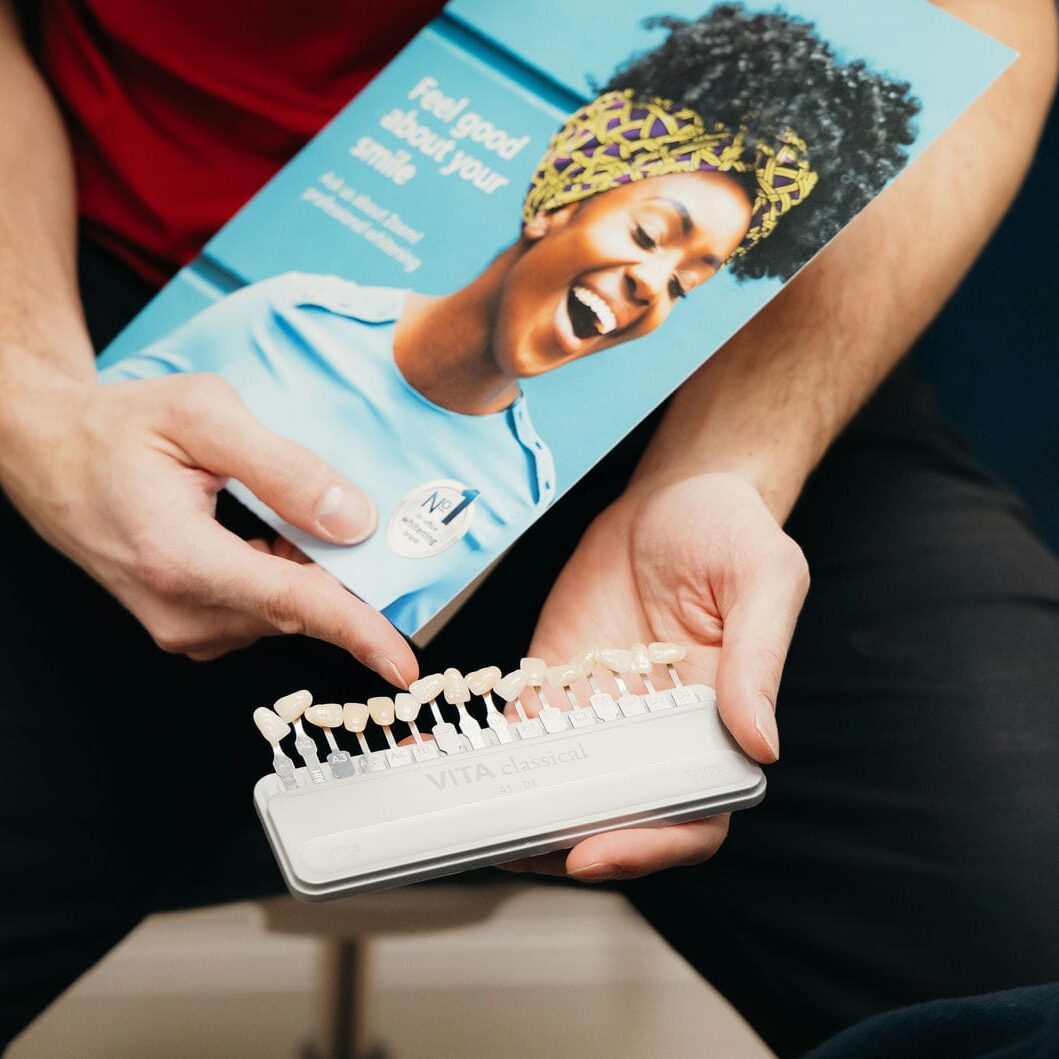
If the crown is on a front tooth, appearance may be the top priority. If it’s on a back tooth, strength and durability often matter more. We’ll talk through the pros and cons in plain language, including how the material may affect shade matching and long-term wear.
If you grind or clench, tell us. Bite habits can influence which options are most practical, and how we plan the fit.
The Step-by-Step Process
Every case is a bit different, but most crown treatment follows a predictable sequence. We keep the process clear so you know what’s happening and why.
Step 1
Exam and Diagnosis
We start by assessing the tooth, surrounding gums, and your bite. If you’re having pain, we’ll try to pinpoint the cause so we’re not just covering up a problem. If the tooth isn’t suitable for a crown without other care first, we’ll explain that upfront.
Step 2
Planning the Outcome
Before we begin, we’ll talk about what you want to achieve: comfort when chewing, protecting a cracked area, improving the look of the tooth, or all of the above. We’ll also review any risks and what maintenance may be needed over time.
Step 3
Preparing the Tooth
If you proceed, we numb the area and prepare the tooth so the crown can fit properly. Our goal is a crown that seats securely and feels natural, not bulky. We also pay close attention to the gumline area, because a good margin supports long-term health.
Step 4
Digital Scan or Impression
Next, we capture a detailed scan or impression so your crown can be made to match your bite and the shape of your surrounding teeth. This step is about precision. A well-fitting crown is usually more comfortable and easier to keep clean.
Step 5
Temporary Crown
In many cases, you’ll wear a temporary crown while the final one is being made. It protects the tooth and helps you function normally. We’ll tell you what to avoid chewing until the final crown is placed, and what to do if anything feels loose or rough.
Step 6
Final Crown Placement and Bite Check
When your crown is ready, we remove the temporary, seat the final crown, and check the fit carefully. Then we fine-tune your bite. This part matters, especially if you’re sensitive to “high spots.” We want the crown to feel comfortable when you chew, speak, and close your teeth together.

Caring for Your Crown
A crown should be cared for like a natural tooth. The crown itself can’t get a cavity, but the tooth underneath and the gumline around it still need protection.
A few habits make crown care easier and more predictable:
If you notice bleeding around the crown, a persistent bad taste, or food trapping that’s new, let us know. Those signs don’t always mean something serious, but they’re worth checking early.
Comfort, Recovery, and Common Worries
It’s normal to feel anxious about a crown, especially if you’ve had a painful tooth or a tough past dental experience. We’ll go step by step, check in often, and make sure you understand what you’re feeling and what’s expected.
After preparation, some patients notice temporary sensitivity, especially to cold or pressure. That usually settles as the tooth adjusts and the final crown is placed. If something feels sharp, too high, or consistently uncomfortable, we want to know. Small adjustments can make a big difference.
If you’re worried about gagging, jaw fatigue, or simply needing breaks, mention it at the start. We can pace the appointment and plan around your comfort.

Deciding Between a Crown and Other Options
A crown is not the only way to restore a tooth. The right treatment depends on how much tooth structure is left, whether there’s a crack, and how much bite force that area handles.
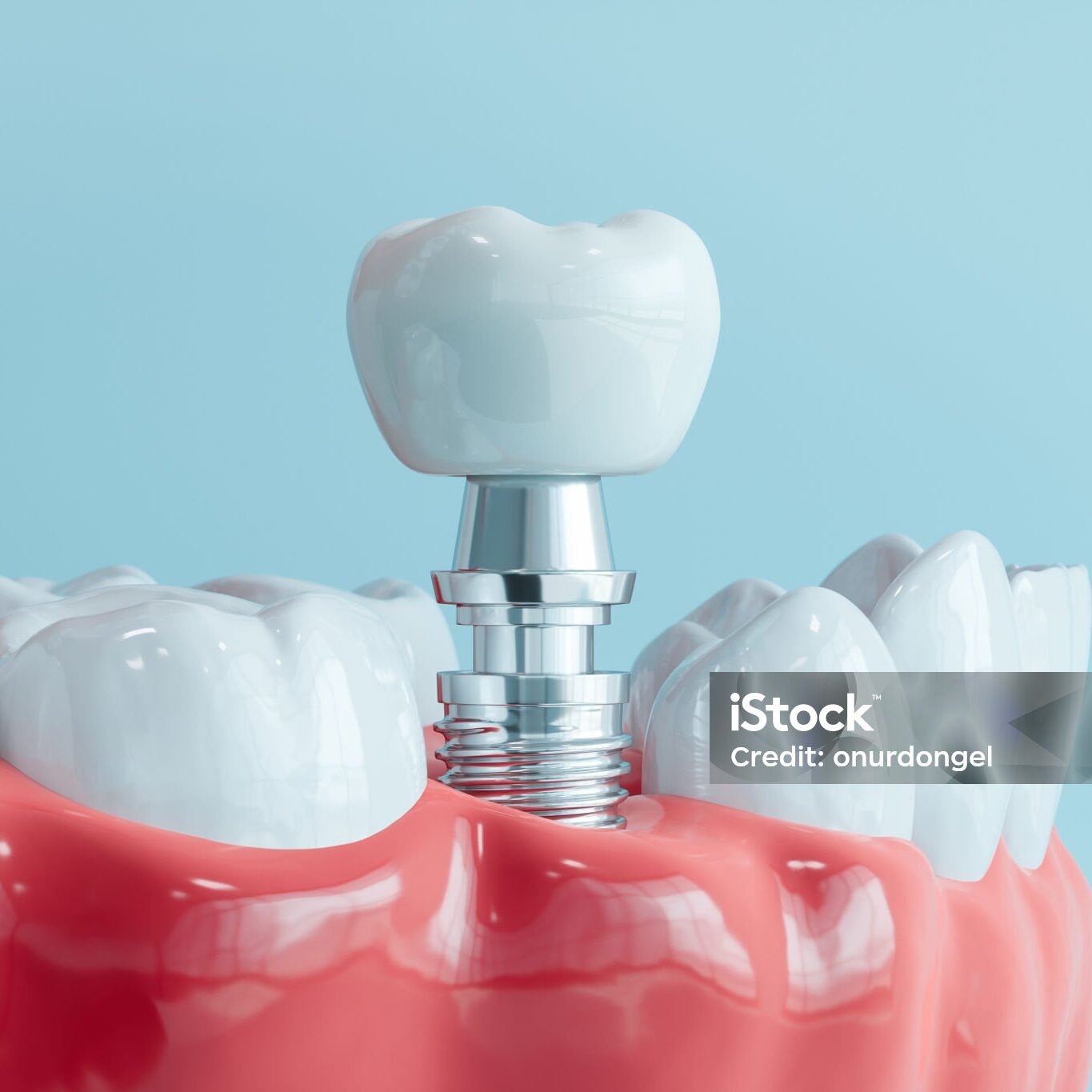
If the concern is small, we may discuss a more conservative repair such as dental bonding. If a tooth is missing or cannot be saved, we may discuss replacement options such as dental implants.
We’ll explain the trade-offs clearly, including how each option may affect comfort, longevity, and maintenance. The goal is for you to feel confident in the decision, not pressured into it.
Frequently Asked Questions
How do I know if I need a crown or just a filling?
A filling may be appropriate when the tooth has enough healthy structure to support it. A crown may be recommended when a tooth is weakened, cracked, heavily filled, or at risk of breaking. An exam is the best way to confirm.
Do crowns look natural?
Is getting a crown painful?
How long does the process take?
What if my temporary crown feels loose?
Can I eat normally with a crown?
How do I know if I’m a candidate?

Discover a Better Dental Experience
Enjoy stress-free visits and genuine care from trusted Markham dentists who put your comfort first. See why families have chosen Filgiano Dentistry for generations.