

Tooth Extraction in Markham
Calm, straightforward tooth removal when a tooth can’t be saved comfortably.
Tooth Extraction in Markham With Comfort and Clarity in Mind
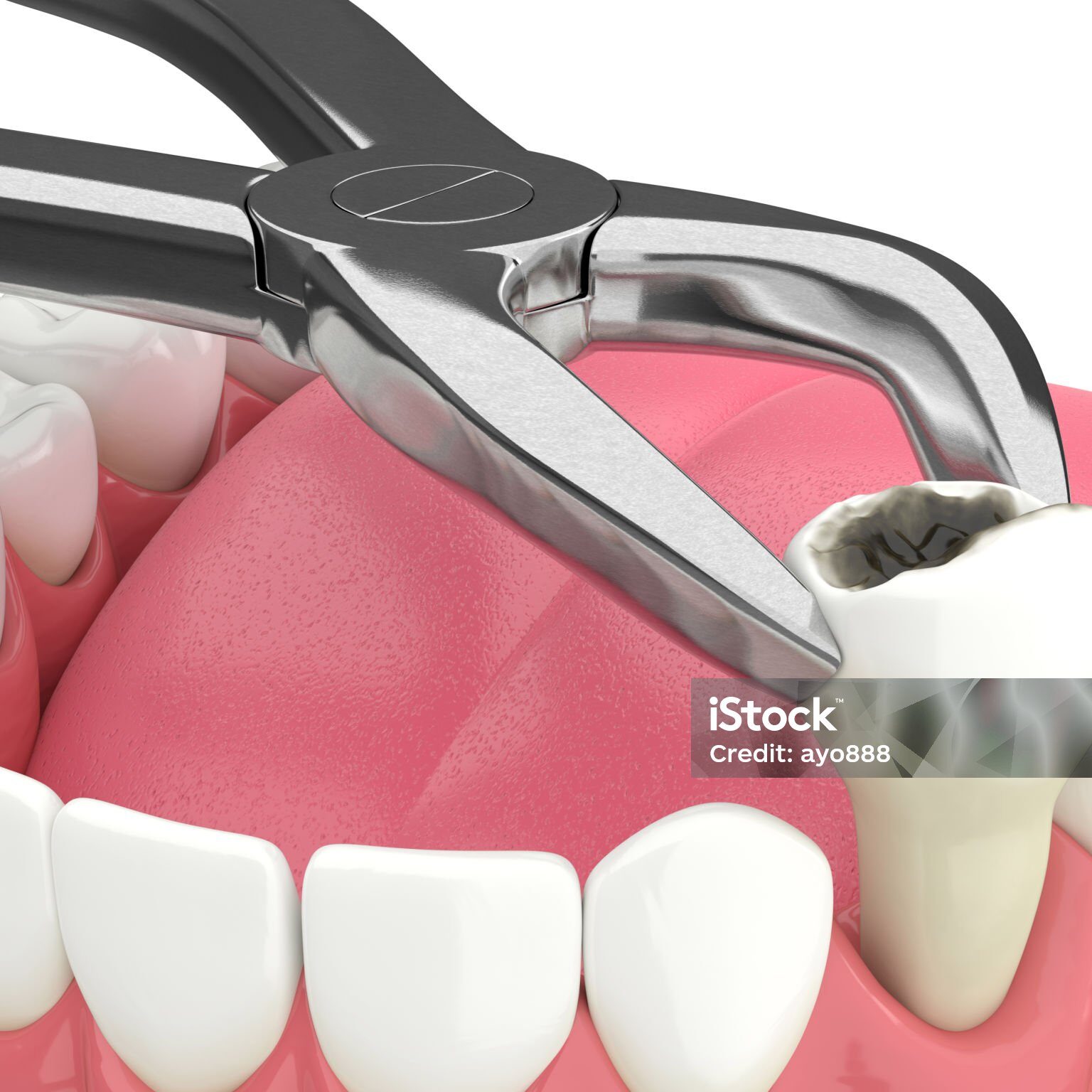
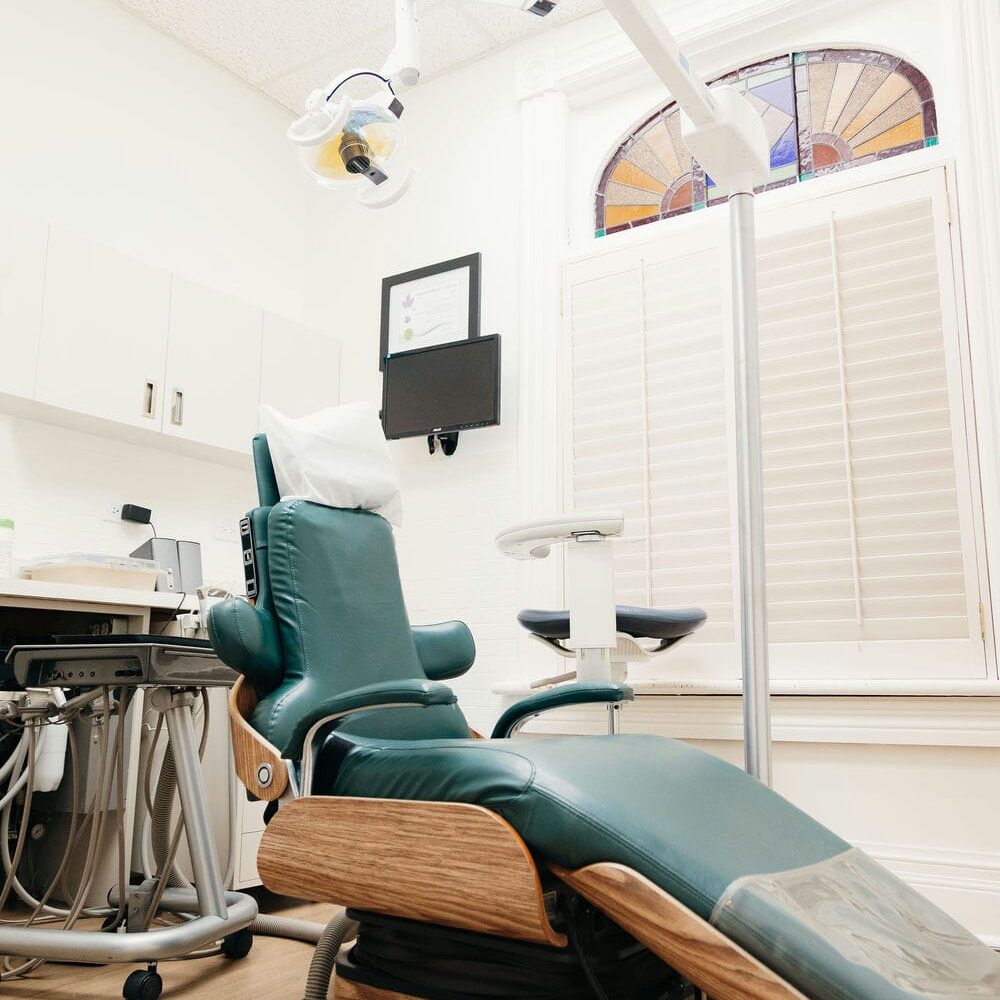
If you’re searching for tooth extraction in Markham, you may be dealing with tooth pain, swelling, a broken tooth, or a recommendation that a tooth can’t be saved. It’s normal to feel anxious about having a tooth removed. At Filgiano Dentistry, we focus on calm, patient-first care. We explain what we see, walk you through your options without pressure, and help you feel comfortable from assessment to recovery.
If you’d like clear guidance, you can book an appointment, schedule a consultation, or speak with our Markham dental team.
When a Tooth May Need to Come Out
Most people hope to keep their natural teeth, and so do we. An extraction is usually recommended only when it’s the safest next step for your overall oral health.
Common reasons a tooth may need to be removed include:
If you’ve been told you need an extraction and you’re unsure, that’s a good reason to book a consultation. We’ll explain what’s going on and what alternatives may or may not be realistic.
What to Expect on the Day
This is often the part people worry about most. We keep the process clear and paced, so you know what’s happening and what you’ll feel.
Step 1
Assessment and Imaging
We start by reviewing your symptoms and taking any required imaging. This helps us understand the tooth’s shape, root structure, and the surrounding bone. It also helps us plan the safest approach.
If an extraction is not appropriate to complete in-office due to complexity, we’ll explain that and guide you on next steps. That may include a referral when needed.
Step 2
Freezing and Comfort
Most tooth removals are done with local anaesthetic. You should not feel sharp pain. You may feel pressure, movement, and vibration. If you’re feeling anxious, tell us before we start. We’ll slow down, check in often, and keep things steady.
Step 3
Removing the Tooth
We gently loosen the tooth and remove it with controlled pressure. Our focus is on being careful and predictable, not forceful. If the tooth is broken or more complex, we’ll explain the steps as we go.
Step 4
Aftercare Instructions Before You Leave
Before you head home, we’ll review what to expect during healing, how to protect the area, and what symptoms should prompt a call. You’ll leave with clear instructions, not a list of confusing “do nots” with no context.

Recovery and Aftercare at Home
Healing after an extraction is usually straightforward, but the first 24–48 hours matter. The main goal is to protect the clot that forms in the socket so the area can heal properly.
Here are the basics we commonly recommend:
Everyone heals at a different pace. We’ll tailor advice based on your situation, the type of extraction, and your medical history.
Replacing a Missing Tooth After an Extraction
If a tooth does need to come out, it’s normal to worry about the gap. Depending on the tooth and your bite, replacing it may be important for chewing comfort, speech, and keeping neighbouring teeth from shifting.
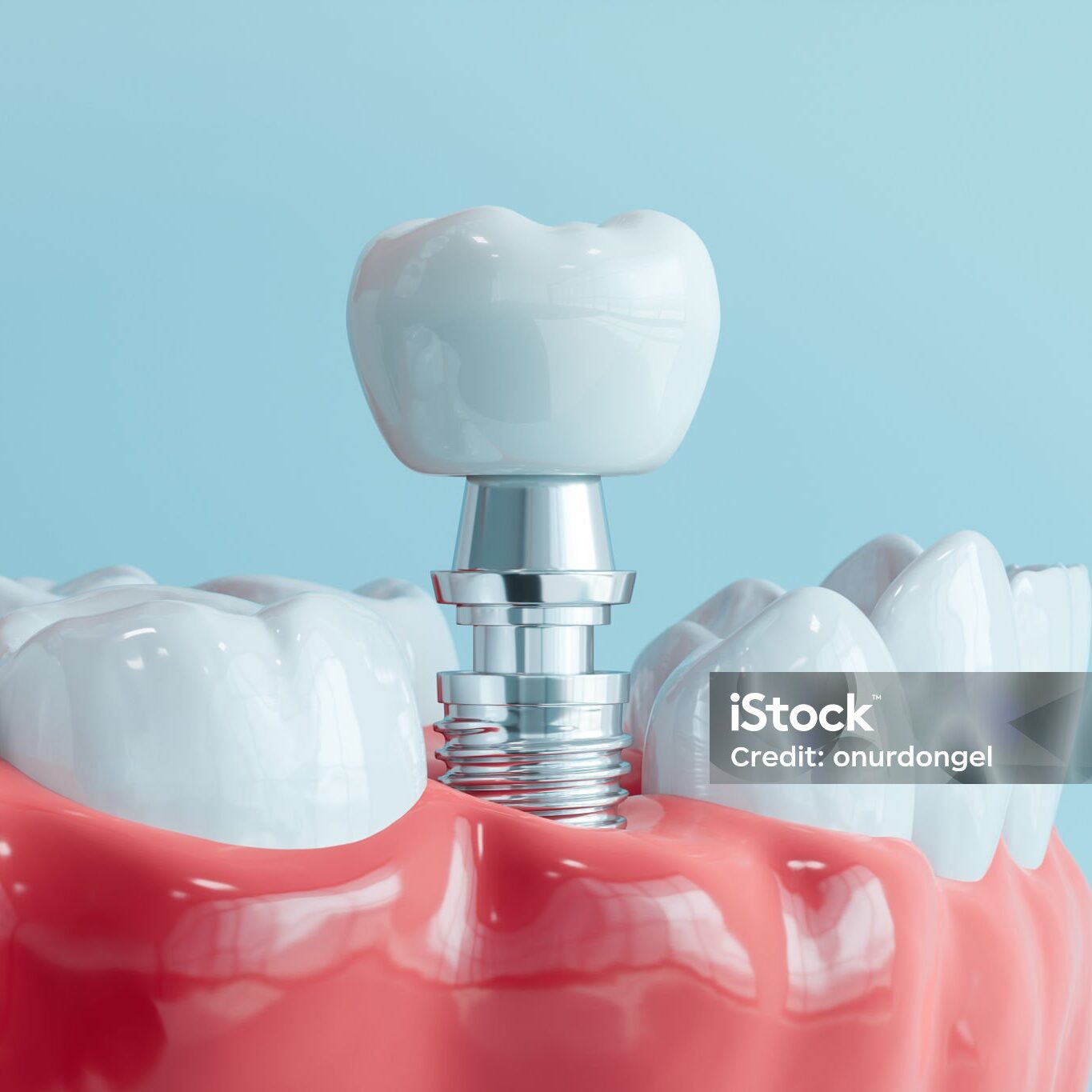
Replacement options can include an implant, a bridge, or a removable option. The best choice depends on your oral health, the location of the missing tooth, and your goals.
If you’re interested in a fixed replacement that feels stable, we can discuss dental implants and whether they’re a fit for your timeline and anatomy.
In some situations, we may also recommend waiting for a period of healing before moving forward with replacement. We’ll explain your options clearly so you can plan with confidence.
Frequently Asked Questions
Is tooth extraction painful?
Most extractions are completed with local freezing, and you should not feel sharp pain during the procedure. You may feel pressure and movement. Some soreness afterward is normal, and we’ll explain what to expect based on your case.
How long does it take to remove a tooth?
What can I eat after an extraction?
When can I return to work or school?
What is a “dry socket”?
How do I know if I actually need the tooth removed?

Discover a Better Dental Experience
Enjoy stress-free visits and genuine care from trusted Markham dentists who put your comfort first. See why families have chosen Filgiano Dentistry for generations.